
How to Flip Houses Successfully: Strategies for Real Estate Entrepreneurs
In the dynamic realm of real estate, house flipping stands out as an exciting venture for entrepreneurs seeking to turn dilapidated properties into lucrative investments. While the prospect of flipping houses may seem alluring, success in this field requires careful planning, a keen eye for potential, and strategic execution. Join us as we explore the art of house flipping and unveil the strategies that can lead to triumph in the competitive real estate market.
Conduct Thorough Market Research: Know Your Niche
Successful house flipping begins with a deep understanding of the local real estate market. Identify your target audience, assess the demand for renovated properties, and pinpoint neighborhoods with potential for appreciation. A well-informed approach lays the groundwork for making strategic investment decisions.
Build a Reliable Team: Collaboration Is Key
House flipping is a team sport. Assemble a reliable team of professionals, including contractors, architects, real estate agents, and financial advisors. A cohesive team ensures that every aspect of the flipping process, from renovations to resale, is handled with expertise and efficiency.
Crunch the Numbers: Set a Realistic Budget
Before diving into a project, create a detailed budget that encompasses acquisition costs, renovation expenses, carrying costs, and potential unforeseen expenditures. Accurate financial planning is essential for determining the viability of a flip and maximizing potential profits.
Identify Profitable Properties: The Art of Selection
Develop a discerning eye for potential in properties. Look for houses with cosmetic issues rather than structural problems, as the former allows for a more cost-effective and time-efficient renovation. Consider factors like location, neighborhood trends, and the property’s overall potential resale value.
Efficient Project Management: Time is Money
Flipping houses involves working against the clock. Create a realistic timeline for each project, considering factors like renovation complexity and market conditions. Efficient project management not only minimizes carrying costs but also enables a quicker return on investment.
Prioritize Aesthetic Appeal: Appeal to Buyers’ Emotions

Invest in renovations that enhance the property’s visual appeal. Aesthetically pleasing features, such as modern kitchens, stylish bathrooms, and tasteful landscaping, can significantly increase the perceived value of the property. Appeal to buyers’ emotions to create a lasting impression.
Understand the Legalities: Navigating Regulations
Compliance with local regulations and building codes is paramount in house flipping. Stay informed about zoning laws, permits, and inspections to avoid delays and legal complications. A thorough understanding of the legalities ensures a smooth and trouble-free process.
Plan for Contingencies: Prepare for the Unexpected
House flipping is not without its surprises. Have contingency plans in place for unexpected challenges such as delays, budget overruns, or market fluctuations. Flexibility and adaptability are key traits in navigating the unpredictable nature of the real estate market.
Learn From Experience: Continuous Improvement
Every house flip offers valuable lessons. Reflect on each project, analyze successes and challenges, and use this knowledge to refine your strategies. Continuous learning and adaptation are the hallmarks of successful real estate entrepreneurs.
Successful house flipping requires a combination of market insight, strategic planning, and effective execution. By adopting these strategies and remaining agile in the face of challenges, real estate entrepreneurs can turn dilapidated houses into profitable investments. As you embark on your house-flipping journey, remember that each project is an opportunity for growth and refinement, paving the way for a successful and rewarding career in the dynamic world of real estate.…

 Have you ever been in a situation where you’ve received an email or call asking you to wire money for the closing costs? Beware of this one: scammers are going after unsuspecting homebuyers with fake emails and phone calls asking them to wire the funds for the closing costs. The scammer will then provide instructions on how to do it, and once the buyer does, they’ll never see the money again.
 One of the best reasons to purchase a newly built home is that they require less maintenance than older homes. It means that you will save money on repairs and upkeep over time. Additionally, newer homes are often built with energy-efficient features that can help you save money on your utility bills each month.
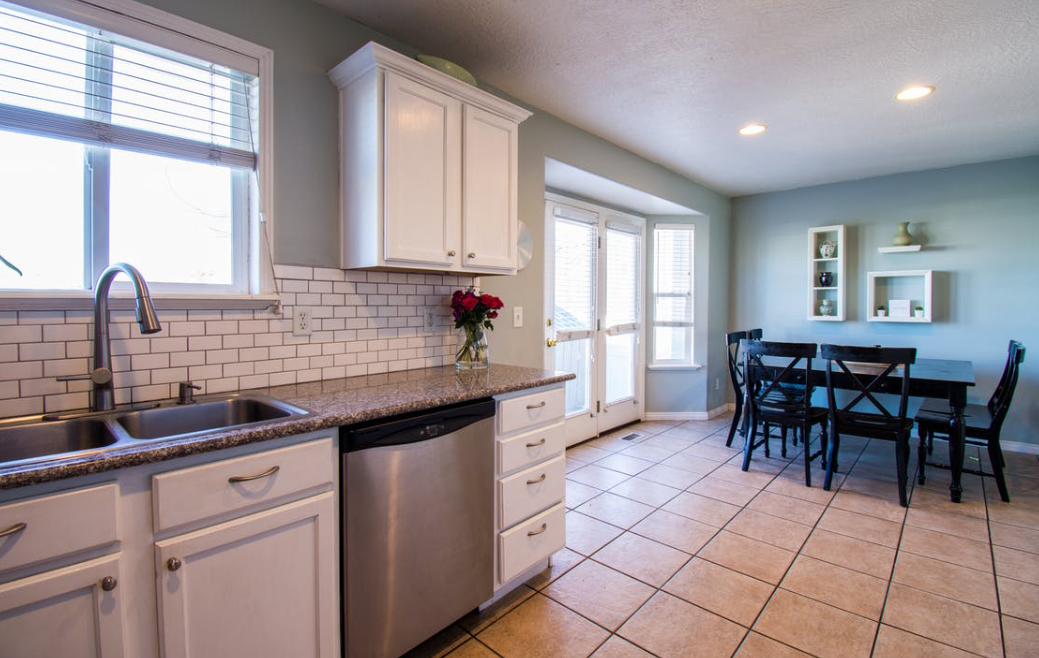 When you purchase a newly built home, you can often choose from a variety of floor plans designed to fit your specific lifestyle. Whether you are looking for a large home for a growing family or a smaller home that is easy to maintain, there is likely a floor plan that will meet your needs. Additionally, many builders offer customizations that allow you to make your home even more personal.