2026

4 Best Furniture Finds for a Cozy Scandinavian Home

Scandinavian interiors have a funny trick: they can look incredibly simple while still feeling warm and inviting. The same idea applies to furniture. You want clean shapes, useful storage, soft textures, and enough breathing room to keep the room from looking like a furniture warehouse. The Scandinavian look is usually associated with pale woods, neutral colors, natural materials, and uncluttered layouts. But minimal does not mean empty. A cozy room still needs somewhere to sit, eat, store things, and throw a blanket after a long day. For homeowners comparing practical pieces, VacuumRanker offers a useful reminder that good home choices should balance function with everyday living.  These four furniture finds can bring those ingredients together without making the space feel heavy.

A Light Wood Sofa

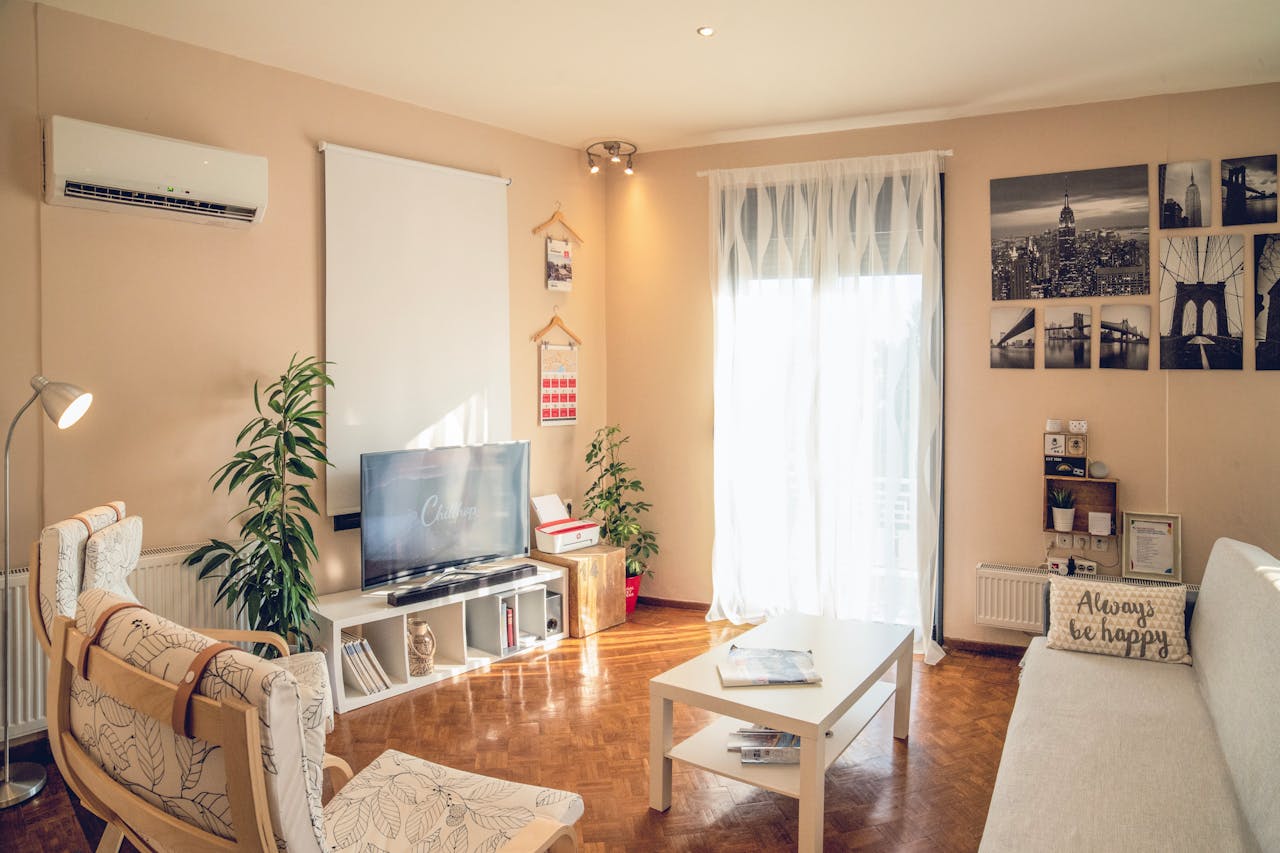
Start with the biggest piece in the room: the sofa. A low-profile sofa with pale wood legs can create that classic Nordic appearance without making the living area feel visually heavy. Look for neutral upholstery in shades such as cream, beige, soft gray, or muted green. Then add one chunky throw because apparently Scandinavian furniture becomes 37% cozier when a blanket is involved. Comfort matters just as much as appearance. Choose cushions with enough support for actual lounging rather than selecting a sofa that looks impressive in photographs. A compact frame also helps maintain open floor space around the seating area. Pair it with a small wooden side table instead of surrounding the sofa with six unnecessary pieces.

A Simple Wooden Dining Table
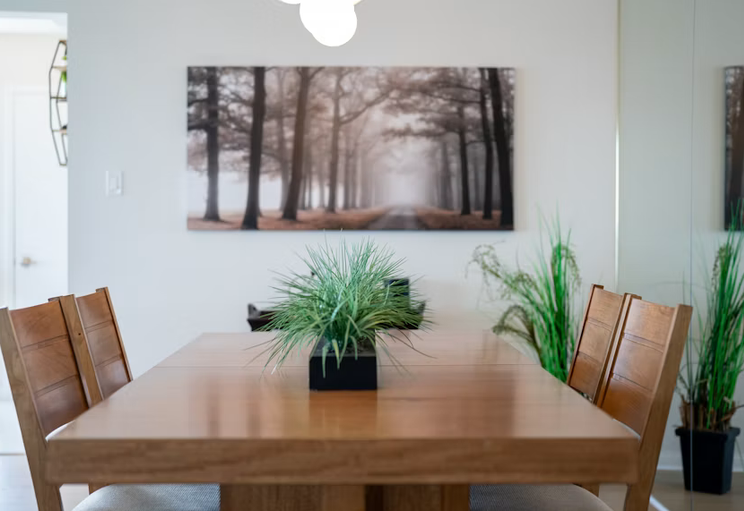
A solid wooden dining table can become the warm anchor of a Scandinavian kitchen or dining area. Oak, ash, and similar pale woods work especially well because they bring texture without shouting for attention. Choose a straightforward silhouette with clean legs and minimal decorative details. The table should feel sturdy enough for dinner, homework, coffee, and the occasional laptop takeover. Size matters here, especially in smaller homes. A rectangular table can work well in narrow rooms, while a round design may make tight corners easier to move around. Leave enough clearance around the chairs so people can sit comfortably without performing an awkward furniture dance. Add simple chairs in wood or soft neutral upholstery for a cohesive setup.

A Functional Storage Cabinet

Scandinavian rooms look calm partly because everyday clutter has somewhere to disappear. A low storage cabinet can handle books, dishes, toys, electronics, and all those mysterious household objects that seem to reproduce overnight. Choose a cabinet with clean fronts and restrained hardware, so it blends into the room. Natural wood or matte neutral finishes usually fit the aesthetic beautifully. Think about what the cabinet needs to hide before buying it. Adjustable shelves can accommodate items of different sizes, while drawers work well for smaller clutter. Keep a little open space around the cabinet instead of squeezing furniture against every available wall. That breathing room helps the room retain its relaxed character.

A Cozy Accent Chair

Every Scandinavian living room needs a chair that quietly says, “Sit down, you look tired.” An upholstered accent chair can provide that extra comfort without requiring a huge sectional. Look for rounded edges, soft fabric, and wooden legs for a classic Nordic-inspired combination. Place it beside a window, reading lamp, or small side table to create a dedicated relaxation corner. Do not underestimate the value of texture. A wool cushion, knitted throw, or soft rug can make a simple chair feel much more inviting. Keep the colors restrained so the chair complements the rest of the room rather than becoming visual noise. If the space is tight, choose a slimmer frame that gives you comfort without eating half the floor.

A cozy Scandinavian home is less about filling a room with expensive furniture and more about choosing pieces that work together. Light wood, soft upholstery, practical storage, and simple shapes can create warmth without clutter. Start with the furniture your household actually needs, then build …


Signs of Mold in AC Ducts and Cleaning Tips

A musty smell drifting through your home can be more than an unpleasant surprise. Air Duct Cleaning Equipment can help tackle deeper buildup, but first you need to know if mold could actually be hiding inside the ventilation system. The tricky part is that ducts spend most of their lives out of sight. A little detective work can reveal clues before the problem spreads.

That Musty Smell Is a Big Clue

Mold often announces itself through a damp, earthy odor. You may notice it most strongly when the AC first starts running after sitting idle. The smell can disappear briefly and then return later, which makes it easy to blame the carpet or furniture. If the odor consistently comes through several vents, the AC deserves a closer look. Do not assume every strange smell means mold, though. Dirty filters, accumulated dust, moisture, or even a dead pest can create unpleasant odors too. Check the filter first and inspect accessible vent areas with a flashlight. If the smell remains after basic cleaning, there may be something deeper inside the system.

man

Look for Visible Signs of Moisture

Mold needs moisture, so dampness is one of the biggest clues worth investigating. Check accessible areas around vents, insulation, and nearby AC components for condensation or water marks. Dark patches, fuzzy growth, or unusual staining can also raise suspicion. You do not need to become a home laboratory scientist to notice something clearly out of place. Pay particular attention after heavy condensation or an AC leak. Moist insulation can create a friendly little environment for mold to grow. If you see recurring water around the system, cleaning the visible surface will not solve the cause. The moisture problem needs attention first.

Clean the Easy Parts Safely

Turn off the AC before cleaning any vents or grilles. Remove washable covers and clean them with mild soap and water, then let them dry fully. A vacuum can remove loose dust around accessible openings. Use a soft brush for corners rather than scraping aggressively at suspicious material. Avoid spraying household chemicals deep into the ductwork. You could damage materials or push contaminated particles farther into the system. Do not disturb large patches of suspected mold simply because you want a closer look. Sometimes curiosity is useful, but this is one household mystery where less poking is better.

Know When the Problem Is Bigger

A small amount of surface dirt is one thing. Extensive mold growth, persistent moisture, contaminated insulation, or widespread odors are another matter. These signs suggest the issue may extend beyond the vent covers. Professional inspection can determine how far the problem has traveled and what needs to be cleaned. This is also where specialist equipment earns its keep. Deeper duct sections can be difficult to access with household tools, especially in walls and ceilings. Proper cleaning equipment can help remove accumulated material without simply blowing it into another part of the home. If the duct system is heavily contaminated, improvising with a vacuum cleaner may do more harm than good.

maintenance

Prevent Mold From Making a Return

Once the underlying moisture issue is fixed, regular AC maintenance can help keep conditions less inviting for mold. Replace or clean filters according to the manufacturer’s recommendations. Keep an eye on condensation around the system and investigate leaks quickly. Good airflow also matters because stagnant, damp areas are poor news for a ventilation system. Pay attention to changes in smell, airflow, and visible moisture as the seasons change. A quick inspection can catch trouble before it becomes a much bigger cleaning project. If mold keeps returning despite basic maintenance, have the system professionally assessed. A clean-looking vent means little if the real problem is hiding several feet behind it.…

How Clean Air Ducts Support Better Airflow in Living Spaces

Indoor air quality plays a crucial role in maintaining a comfortable and healthy living environment, yet it is often overlooked in everyday home maintenance. Over time, dust, debris, and allergens can accumulate in duct systems, restricting airflow and reducing overall efficiency. Using the best air duct cleaning equipment ensures that these systems are thoroughly cleared, allowing air to circulate more freely throughout the home. Improved airflow not only enhances comfort but also supports better energy efficiency and reduces strain on HVAC systems. This article explores how keeping air ducts clean can significantly improve ventilation and create a fresher, healthier indoor environment.

How Blockages Restrict Air Movement

The presence of dust and debris in air ducts can significantly restrict airflow. Even minor accumulations on the inner surfaces of ducts can reduce the available airflow space, creating resistance within the system. This resistance forces the HVAC unit to work harder to push air through the network, often leading to uneven distribution. Some rooms may receive insufficient airflow while others remain unaffected, resulting in inconsistent indoor temperatures. Clean ducts eliminate these obstructions, allowing air to travel freely and ensuring that each part of the living space receives adequate ventilation.

Effects on Indoor Air Circulation

living room

Proper indoor air circulation depends on unobstructed airflow through duct systems. Clean ducts enable air to flow evenly, preventing the formation of stagnant zones where air becomes trapped. This balanced circulation helps maintain a stable indoor environment, where temperature and air quality remain consistent throughout the space. When ducts are dirty, circulation becomes irregular, and certain areas may feel stuffy or poorly ventilated. By supporting smooth, continuous airflow, clean ducts contribute to a more comfortable, breathable indoor environment.

Relationship Between Airflow and Energy Efficiency

Airflow efficiency is closely connected to the energy performance of heating and cooling systems. When ducts are free of buildup, the system can distribute air with minimal resistance, reducing the energy required to maintain desired temperatures. Restricted ducts, on the other hand, increase the system’s workload, requiring it to consume more energy to achieve the same results. This not only affects utility usage but also impacts the system’s overall effectiveness. Clean air ducts support optimal airflow, which in turn helps maintain energy efficiency and consistent system operation.

Long-Term Impact on System Performance

hvac

Maintaining clean air ducts has a lasting effect on the performance and durability of HVAC systems. Reduced airflow resistance allows components such as fans and motors to operate under less strain, resulting in smoother, more reliable performance over time. When ducts remain clogged, the increased pressure within the system can lead to wear and reduced operational lifespan. Clean ducts help preserve system integrity by enabling it to function as designed. This sustained performance ensures consistent, reliable airflow, contributing to long-term indoor comfort and system stability.

Clean air ducts play an essential role in improving airflow in living spaces by removing barriers that restrict airflow. They allow for balanced circulation, improved energy efficiency, and reliable system performance. By maintaining clear airflow pathways, duct systems can deliver consistent comfort throughout a home. The relationship between duct cleanliness and airflow highlights the importance of proper maintenance in achieving a well-functioning indoor environment that supports both comfort and efficiency.…

Small Changes That Make a Home Feel Expensive

You don’t need a million-dollar budget to make your home feel like it belongs in a glossy magazine. Often, it’s not about the size or cost of your space—it’s about the details that create a sense of luxury. Small, thoughtful tweaks can completely elevate the vibe of your rooms, making your home feel curated, polished, and sophisticated.

Upgrade Your Lighting

Lighting has an immediate impact on the perception of a space. Swapping out basic bulbs for warm, soft lighting or adding a statement fixture can make a room feel intentional and stylish. Layered lighting—mixing floor lamps, table lamps, and overhead fixtures—creates depth and atmosphere, something expensive homes always seem to have.

Add Texture and Layering

High-end interiors often rely on texture to create richness. Think velvet pillows, chunky knit throws, soft rugs, or a leather chair. Mixing materials—wood, metal, glass, and textiles—adds depth and dimension. Even small touches like swapping a basic cushion cover for one with a tactile weave can make the room feel thoughtfully designed.

Declutter Like a Pro

Nothing cheapens a space faster than clutter. Clearing countertops, organizing shelves, and storing away unnecessary items instantly makes your home feel cleaner and more intentional. A few well-chosen decorative items go further than dozens of random objects, giving your space a curated, luxurious feel without costing much.

Focus on Hardware and Fixtures

Tiny details like doorknobs, drawer pulls, faucets, and light switches make a bigger difference than most people realize. Swapping plastic or outdated hardware for sleek, modern alternatives can instantly elevate a kitchen, bathroom, or dresser. These small changes feel subtle, but subconsciously, they scream “luxury.”

Bring in Greenery

Plants are one of the easiest ways to make a home feel fresh and expensive. A tall, leafy plant in a chic planter or a few simple vases of flowers can add life and sophistication. Even faux plants, when chosen carefully, create a sense of thoughtfulness and attention to detail. Greenery softens spaces and makes them feel cared for without spending a fortune.

Invest in Fragrance and Cleanliness

Smell matters more than people realize. A lightly scented candle, diffuser, or room spray can make a space feel inviting and curated. Pair that with a tidy, spotless home, and the overall effect is one of elegance. Luxury is as much about ambiance as it is about visuals, and scent is an inexpensive yet powerful tool.

Making a home feel expensive doesn’t require lavish renovations or high-end designer purchases. It’s about lighting, texture, thoughtful details, and a little intentionality. Small upgrades, decluttering, and attention to ambiance can transform everyday spaces into something that looks and feels curated, polished, and undeniably luxurious. Sometimes, the best investments in a home aren’t the big-ticket items—they’re the tiny changes that make a huge impression.…