4 Best Furniture Finds for a Cozy Scandinavian Home
Scandinavian interiors have a funny trick: they can look incredibly simple while still feeling warm and inviting. The same idea applies to furniture. You want clean shapes, useful storage, soft textures, and enough breathing room to keep the room from looking like a furniture warehouse. The Scandinavian look is usually associated with pale woods, neutral colors, natural materials, and uncluttered layouts. But minimal does not mean empty. A cozy room still needs somewhere to sit, eat, store things, and throw a blanket after a long day. For homeowners comparing practical pieces, VacuumRanker offers a useful reminder that good home choices should balance function with everyday living. These four furniture finds can bring those ingredients together without making the space feel heavy.
A Light Wood Sofa
Start with the biggest piece in the room: the sofa. A low-profile sofa with pale wood legs can create that classic Nordic appearance without making the living area feel visually heavy. Look for neutral upholstery in shades such as cream, beige, soft gray, or muted green. Then add one chunky throw because apparently Scandinavian furniture becomes 37% cozier when a blanket is involved. Comfort matters just as much as appearance. Choose cushions with enough support for actual lounging rather than selecting a sofa that looks impressive in photographs. A compact frame also helps maintain open floor space around the seating area. Pair it with a small wooden side table instead of surrounding the sofa with six unnecessary pieces.
A Simple Wooden Dining Table
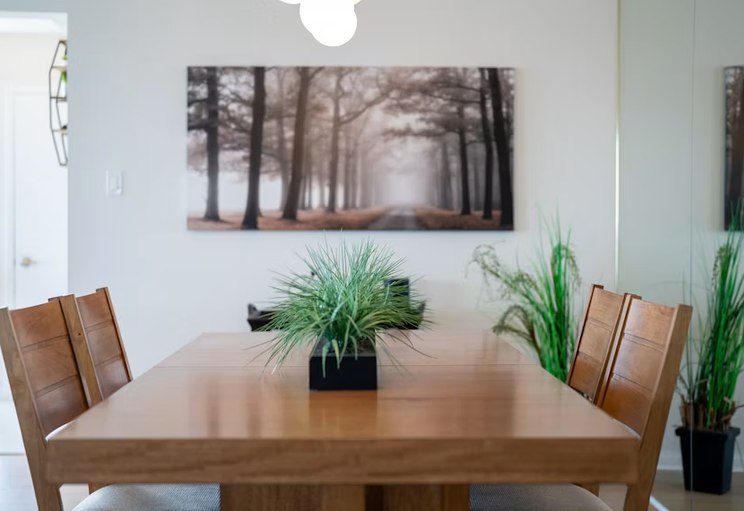
A solid wooden dining table can become the warm anchor of a Scandinavian kitchen or dining area. Oak, ash, and similar pale woods work especially well because they bring texture without shouting for attention. Choose a straightforward silhouette with clean legs and minimal decorative details. The table should feel sturdy enough for dinner, homework, coffee, and the occasional laptop takeover. Size matters here, especially in smaller homes. A rectangular table can work well in narrow rooms, while a round design may make tight corners easier to move around. Leave enough clearance around the chairs so people can sit comfortably without performing an awkward furniture dance. Add simple chairs in wood or soft neutral upholstery for a cohesive setup.
A Functional Storage Cabinet
Scandinavian rooms look calm partly because everyday clutter has somewhere to disappear. A low storage cabinet can handle books, dishes, toys, electronics, and all those mysterious household objects that seem to reproduce overnight. Choose a cabinet with clean fronts and restrained hardware, so it blends into the room. Natural wood or matte neutral finishes usually fit the aesthetic beautifully. Think about what the cabinet needs to hide before buying it. Adjustable shelves can accommodate items of different sizes, while drawers work well for smaller clutter. Keep a little open space around the cabinet instead of squeezing furniture against every available wall. That breathing room helps the room retain its relaxed character.
A Cozy Accent Chair
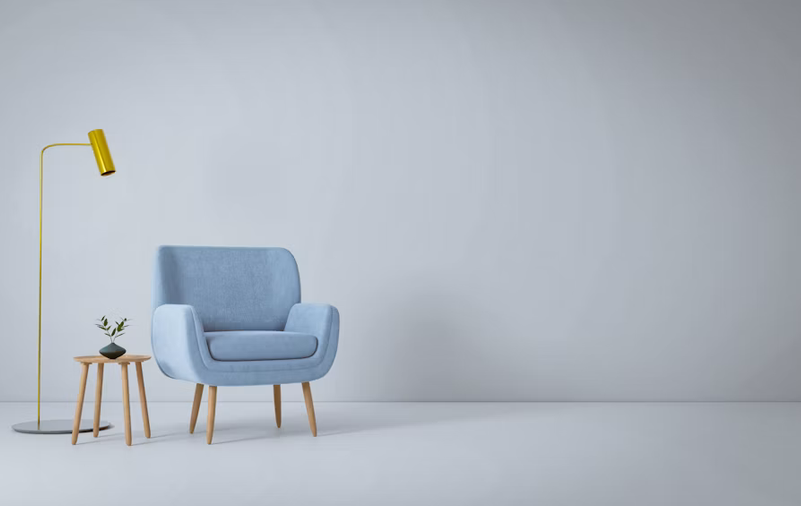
Every Scandinavian living room needs a chair that quietly says, “Sit down, you look tired.” An upholstered accent chair can provide that extra comfort without requiring a huge sectional. Look for rounded edges, soft fabric, and wooden legs for a classic Nordic-inspired combination. Place it beside a window, reading lamp, or small side table to create a dedicated relaxation corner. Do not underestimate the value of texture. A wool cushion, knitted throw, or soft rug can make a simple chair feel much more inviting. Keep the colors restrained so the chair complements the rest of the room rather than becoming visual noise. If the space is tight, choose a slimmer frame that gives you comfort without eating half the floor.
A cozy Scandinavian home is less about filling a room with expensive furniture and more about choosing pieces that work together. Light wood, soft upholstery, practical storage, and simple shapes can create warmth without clutter. Start with the furniture your household actually needs, then build …