
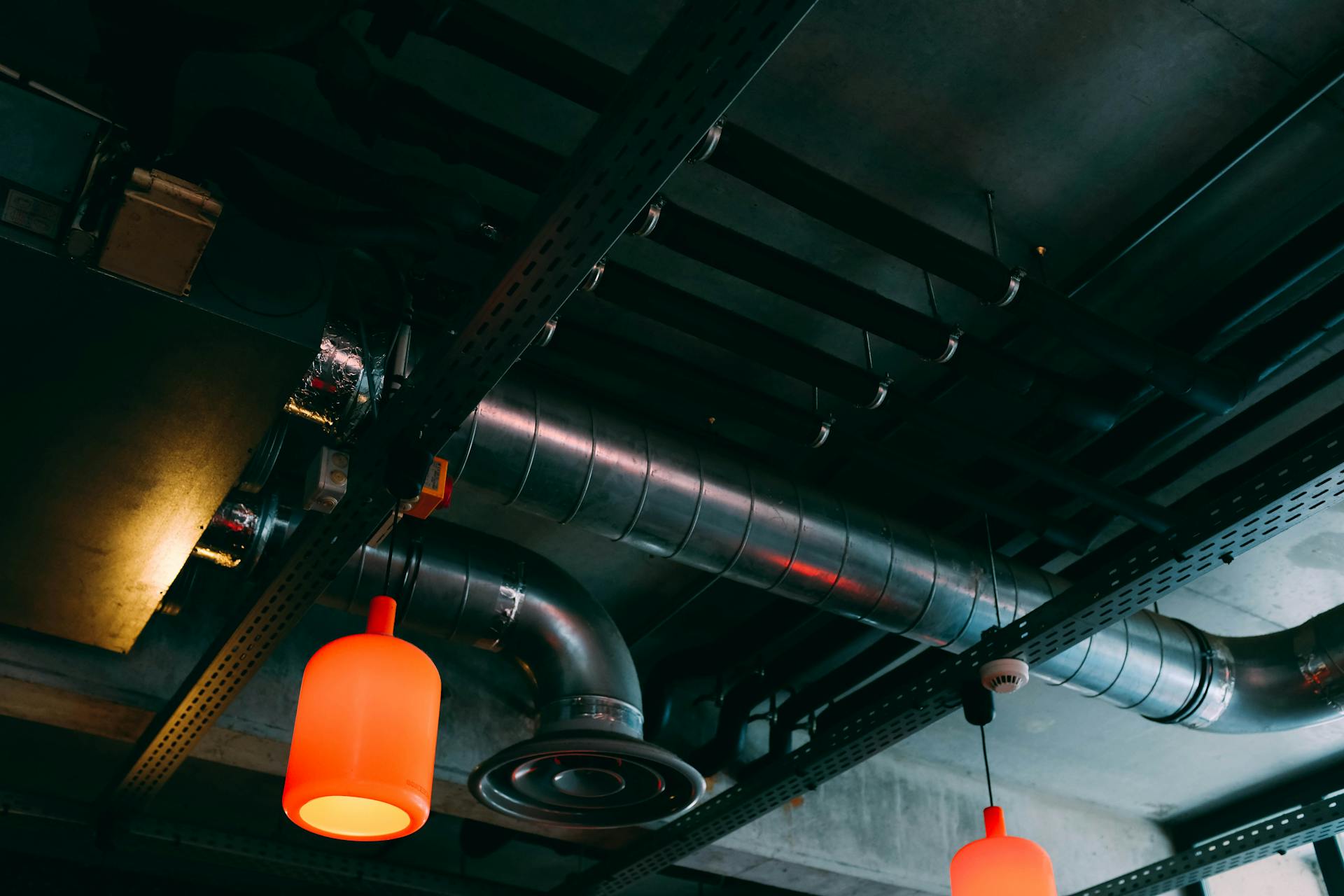
Indoor air quality plays a crucial role in maintaining a comfortable and healthy living environment, yet it is often overlooked in everyday home maintenance. Over time, dust, debris, and allergens can accumulate in duct systems, restricting airflow and reducing overall efficiency. Using the best air duct cleaning equipment ensures that these systems are thoroughly cleared, allowing air to circulate more freely throughout the home. Improved airflow not only enhances comfort but also supports better energy efficiency and reduces strain on HVAC systems. This article explores how keeping air ducts clean can significantly improve ventilation and create a fresher, healthier indoor environment.
How Blockages Restrict Air Movement
The presence of dust and debris in air ducts can significantly restrict airflow. Even minor accumulations on the inner surfaces of ducts can reduce the available airflow space, creating resistance within the system. This resistance forces the HVAC unit to work harder to push air through the network, often leading to uneven distribution. Some rooms may receive insufficient airflow while others remain unaffected, resulting in inconsistent indoor temperatures. Clean ducts eliminate these obstructions, allowing air to travel freely and ensuring that each part of the living space receives adequate ventilation.
Effects on Indoor Air Circulation
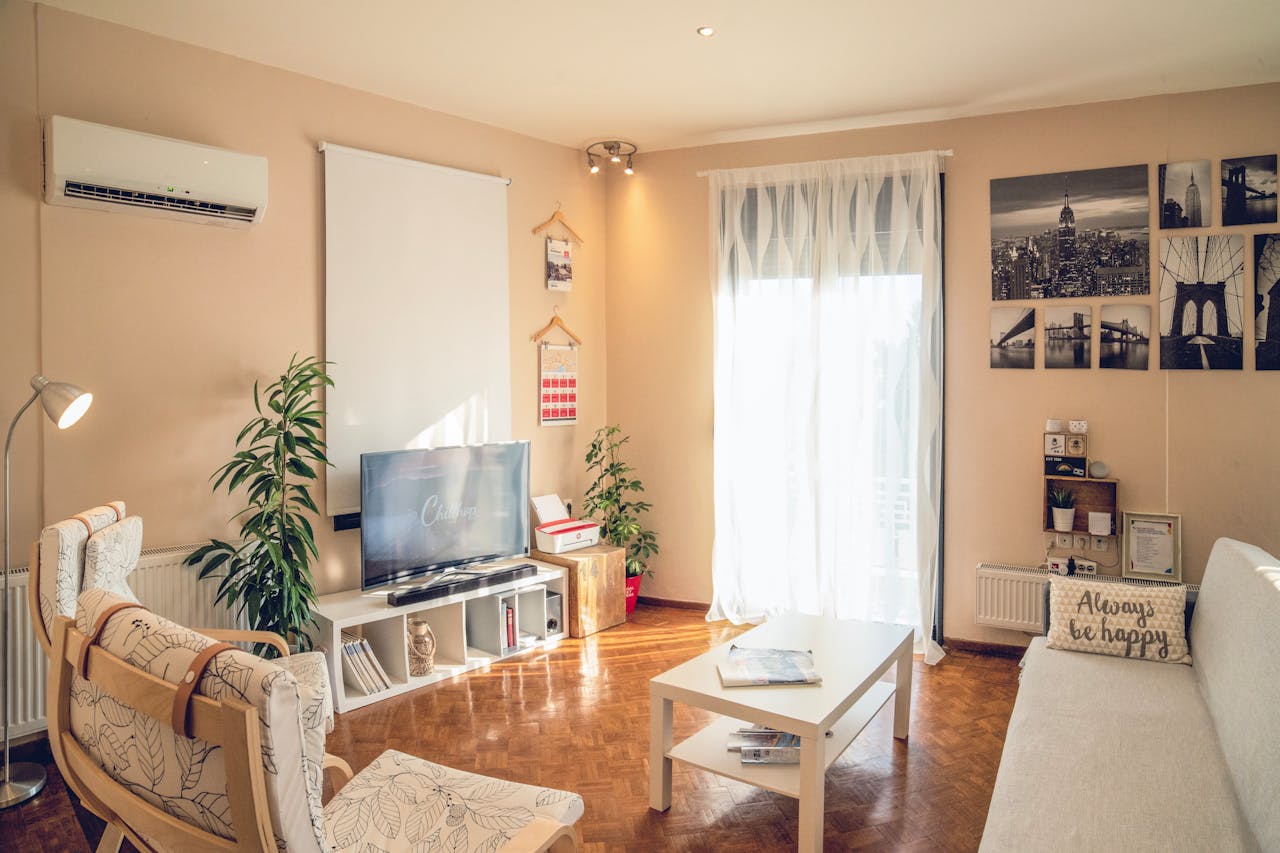
Proper indoor air circulation depends on unobstructed airflow through duct systems. Clean ducts enable air to flow evenly, preventing the formation of stagnant zones where air becomes trapped. This balanced circulation helps maintain a stable indoor environment, where temperature and air quality remain consistent throughout the space. When ducts are dirty, circulation becomes irregular, and certain areas may feel stuffy or poorly ventilated. By supporting smooth, continuous airflow, clean ducts contribute to a more comfortable, breathable indoor environment.
Relationship Between Airflow and Energy Efficiency
Airflow efficiency is closely connected to the energy performance of heating and cooling systems. When ducts are free of buildup, the system can distribute air with minimal resistance, reducing the energy required to maintain desired temperatures. Restricted ducts, on the other hand, increase the system’s workload, requiring it to consume more energy to achieve the same results. This not only affects utility usage but also impacts the system’s overall effectiveness. Clean air ducts support optimal airflow, which in turn helps maintain energy efficiency and consistent system operation.
Long-Term Impact on System Performance
Maintaining clean air ducts has a lasting effect on the performance and durability of HVAC systems. Reduced airflow resistance allows components such as fans and motors to operate under less strain, resulting in smoother, more reliable performance over time. When ducts remain clogged, the increased pressure within the system can lead to wear and reduced operational lifespan. Clean ducts help preserve system integrity by enabling it to function as designed. This sustained performance ensures consistent, reliable airflow, contributing to long-term indoor comfort and system stability.
Clean air ducts play an essential role in improving airflow in living spaces by removing barriers that restrict airflow. They allow for balanced circulation, improved energy efficiency, and reliable system performance. By maintaining clear airflow pathways, duct systems can deliver consistent comfort throughout a home. The relationship between duct cleanliness and airflow highlights the importance of proper maintenance in achieving a well-functioning indoor environment that supports both comfort and efficiency.